
Rhinoplasty
Now is the time to have a natural and beautiful nose!
World quality, prices in Turkey
PERFECT
RESULTS
PERFECT RESULTS

SATISFIED INTERNATIONAL PATIENTS

AFFORDABLE
AT NO COST
AFFORDABLE PRICES WITHOUT COSTS

HIGH QUALITY
SERVICES
HIGH QUALITY SERVICES

Decide what you want your nose to look like.
What is aesthetic nose surgery (rhinoplasty)?
Rhinoplasty is a surgical procedure usually performed for aesthetic purposes.
This surgery is performed to change the shape, size and appearance of the nose.
Rhinoplasty can include various procedures such as correcting the hump of the nose, reshaping the tip, reducing or widening the nostrils.
In addition, surgical interventions may be performed to improve the function of the nose during surgery.
This may include straightening the cartilage or septum in the nose to make it easier for the person to breathe.
Rhinoplasty is usually performed under local or general anesthesia and is a process that varies depending on the surgeon’s preference and the patient’s wishes.

Information and Support
Each of our patients has a personal consultant who speaks Bulgarian throughout the process.
Medical Consultation
Medical consultation before surgery is performed by our specialist doctor.
Operating Day
We are proud to serve many domestic and international patients with our experienced and professional staff.
Recovery and Aftercare
Our hospital, which is the first healthcare institution in the Thrace region to receive AACI accreditation certification, has earned the appreciation of our patients by maintaining its healthcare standards at the highest level.

Dr. Serkan Süleyman ASLAN // Optimed International Hospital
,,
EDUCATION:
- 2001-2007: İnönü University Faculty of Medicine, Aesthetic and Plastic Surgery Clinic
- 1989-1995: Dokuz Eylül University Faculty of Medicine
WORK EXPERIENCE:
- 2025-Present: Optimed International Çorlu Hospital
- 2020-2024: İzmir Egepol Hospital, Aesthetic and Plastic Surgery Clinic
- 2016-2020: Lüleburgaz Medikent Hospital, Aesthetic and Plastic Surgery Clinic
- 2010-2016: Medicalpark Batman Hospital, Aesthetic and Plastic Surgery Clinic
- 2007-2010: Sivas State Hospital, Aesthetic and Plastic Surgery Clinic
- 2001-2007: İnönü University Faculty of Medicine, Aesthetic and Plastic Surgery Clinic
- 1997-2001: Malatya State Hospital, Emergency Department
- 1995-1997: Şırnak State Hospital, Emergency Department

,,
INTERESTS
- Rhinoplasty (Aesthetic and functional nose surgery)
- Prominent ear correction and other ear deformities
- Breast augmentation, reduction, and lift
- Post-bariatric aesthetic surgeries
- Gynecomastia surgery
- Abdominoplasty (Tummy tuck)
- Liposuction (Fat removal via suction)
- Facelift and brow lift
- Wrinkle reduction and skin rejuvenation treatments
- Non-surgical thread lifting techniques
- Hair transplantation
- Syndactyly, polydactyly, and other congenital hand anomalies
- Cleft lip, cleft palate, and other congenital anomalies
- Post-traumatic hand surgery
- Post-traumatic facial bone fracture surgery
- Surgical treatment of skin cancers
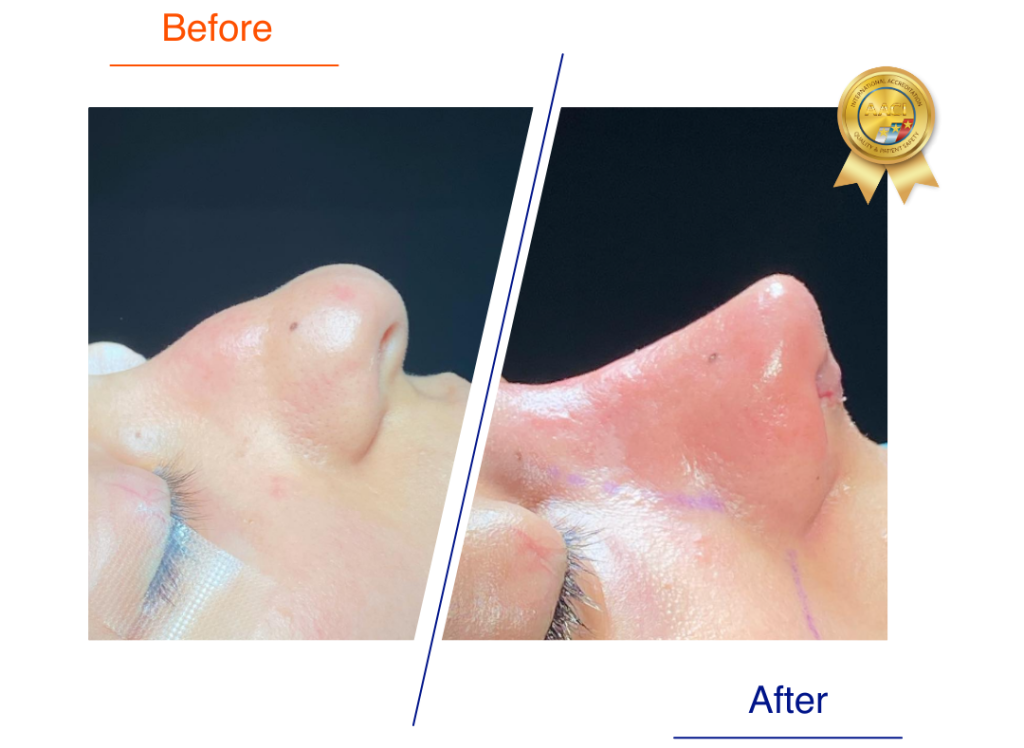
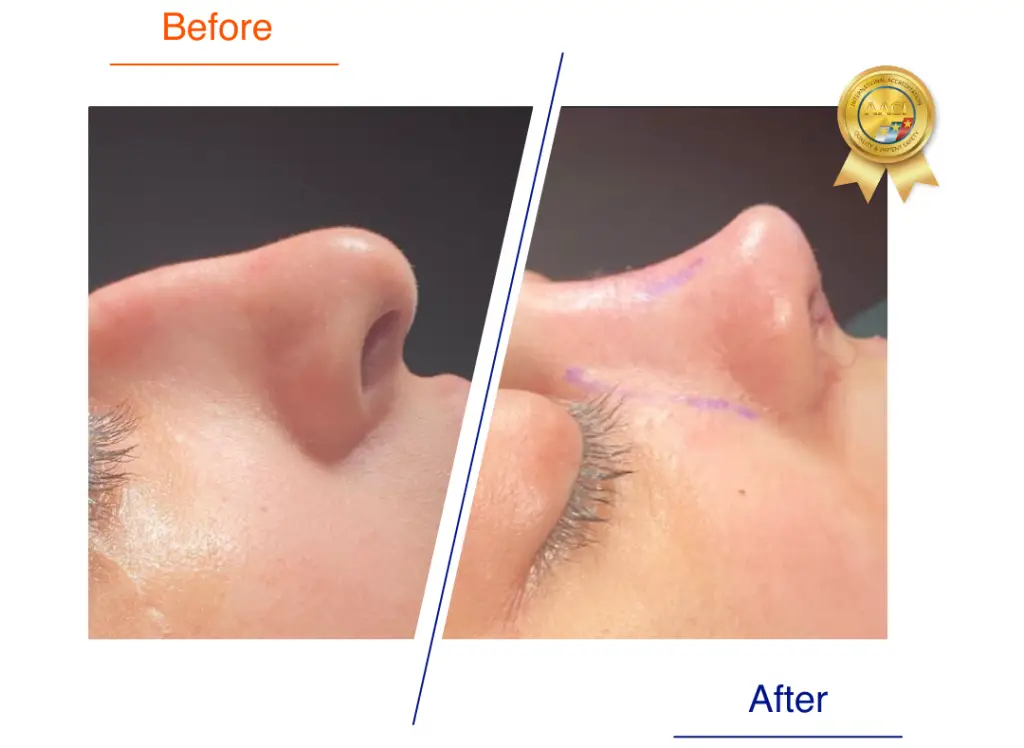
Gallery Before & After
Rhinoplasty FAQ
Aesthetic adjustments: many people may want to change the shape or size of their nose.
Rhinoplasty can be performed for aesthetic corrections such as correcting the hump of the nose, reshaping the tip or wings of the nose, and adjusting the size of the nostrils.
Improve nasal function: some people may experience problems with the nasal sinuses, such as difficulty nasal breathing or the inability to breathe properly.
Rhinoplasty can help correct these problems through surgical interventions such as adjusting the cartilage or septum in the nose.
Post-traumatic corrections: nasal fractures or deformities resulting from accidents, blows or other traumatic events can be corrected with rhinoplasty.
Correction of congenital anomalies: Some people are born with congenital nasal anomalies or deformities.
Rhinoplasty can help correct such conditions.
For these reasons, rhinoplasty can be performed for a variety of conditions, such as aesthetic, functional, or post-traumatic corrections.
But in all cases, it is important to consult with a physician to determine if the surgery is appropriate for the patient’s needs and desires.
Why is aesthetic nose surgery (rhinoplasty) performed?
Aesthetic adjustments: many people may want to change the shape or size of their nose.
Rhinoplasty can be performed for aesthetic corrections such as correcting the hump of the nose, reshaping the tip or wings of the nose, and adjusting the size of the nostrils.
Improve nasal function: some people may experience problems with the nasal sinuses, such as difficulty nasal breathing or the inability to breathe properly.
Rhinoplasty can help correct these problems through surgical interventions such as adjusting the cartilage or septum in the nose.
Post-traumatic corrections: nasal fractures or deformities resulting from accidents, blows or other traumatic events can be corrected with rhinoplasty.
Correction of congenital anomalies: Some people are born with congenital nasal anomalies or deformities.
Rhinoplasty can help correct such conditions.
For these reasons, rhinoplasty can be performed for a variety of conditions, such as aesthetic, functional, or post-traumatic corrections.
But in all cases, it is important to consult with a physician to determine if the surgery is appropriate for the patient’s needs and desires.
At what age should aesthetic nose surgery (rhinoplasty) be performed?
Rhinoplasty is usually performed after completion of nasal development.
Therefore, it is recommended to be done from adolescence, that is, from 15 to 16 years of age or after the nasal bones and cartilages are fully developed.
However, in some cases, if there is a significant problem with the shape or function of the nose, surgery may need to be performed at an earlier age.
Therefore, the optimal age for rhinoplasty may vary depending on the individual situation and need.
It is important to obtain the most accurate information by consulting a physician on this matter.
Improve nasal function: some people may experience problems with the nasal sinuses, such as difficulty nasal breathing or the inability to breathe properly.
Rhinoplasty can help correct these problems through surgical interventions such as adjusting the cartilage or septum in the nose.
Post-traumatic corrections: nasal fractures or deformities resulting from accidents, blows or other traumatic events can be corrected with rhinoplasty.
Correction of congenital anomalies: Some people are born with congenital nasal anomalies or deformities.
Rhinoplasty can help correct such conditions.
For these reasons, rhinoplasty can be performed for a variety of conditions, such as aesthetic, functional, or post-traumatic corrections.
But in all cases, it is important to consult with a physician to determine if the surgery is appropriate for the patient’s needs and desires.
How is rhinoplasty performed?
Rhinoplasty is a surgical procedure that usually involves the following steps:
- Anaesthesia: The operation is usually performed under general anaesthesia, which allows the patient to sleep and feel no pain during the operation.
In some cases, local anesthesia may also be used.
2.Incisions: the surgeon plans the incisions to be made inside or outside the nose.
These incisions provide access to the cartilage and bone needed to change the shape and size of the nose.
3.Cartilage and bone reshaping: the surgeon reshapes or removes cartilage and bone to achieve the desired shape of the nose.
This may include various procedures such as correcting the hump of the nose, reshaping the tip or wings of the nose.
- Placement of internal supports: in some cases, sutures, implants or
grafts to maintain the new shape of the nose.
- Closing the incisions: the incisions are closed and sutures are applied to the skin and outside the nose.
- Completion of surgery: the surgeon checks the new shape of the nose, any bleeding is controlled and the surgery is complete.
The length and complexity of the surgery can vary depending on the structure of the nose and the patient’s wishes.
The recovery process after surgery varies depending on several factors, including the general health of the person, the complexity of the surgery, and the surgical techniques.
After surgery, it is important to follow the surgeon’s recommendations and take the necessary time for a full recovery.
Improve nasal function: some people may experience problems with the nasal sinuses, such as difficulty nasal breathing or the inability to breathe properly.
Rhinoplasty can help correct these problems through surgical interventions such as adjusting the cartilage or septum in the nose.
Post-traumatic corrections: nasal fractures or deformities resulting from accidents, blows or other traumatic events can be corrected with rhinoplasty.
Correction of congenital anomalies: Some people are born with congenital nasal anomalies or deformities.
Rhinoplasty can help correct such conditions.
For these reasons, rhinoplasty can be performed for a variety of conditions, such as aesthetic, functional, or post-traumatic corrections.
But in all cases, it is important to consult with a physician to determine if the surgery is appropriate for the patient’s needs and desires.
What preparation is done before rhinoplasty?
- Interview with the doctor: a comprehensive interview with the doctor should be conducted prior to surgery.
During this interview, information should be obtained about the details of the surgery, expectations, risks, and the recovery process. - Health assessment: your doctor will assess your health history and current health to determine if you are suitable for surgery.
Necessary tests may be done. - Smoking and drinking alcohol: Smoking and drinking alcohol before and after surgery can negatively affect the healing process.
Therefore, it is important to stop smoking and drinking alcohol before surgery. - Medication Use: As recommended by your doctor, you may need to discontinue certain medications prior to surgery.
Some medications, especially such as blood thinners, may need to be stopped before surgery. - Nutrition: a healthy diet and adequate intake of nutrients into the body can aid the healing process before and after surgery.
During the preoperative period, it is important to follow a diet that is especially rich in vitamins and minerals. - Working and social conditions: it is important to provide adequate time for the post-operative recovery period.
Some negotiation in work and social activities can be made and help can be obtained when needed.
What are the types of rhinoplasty we know?
The types of rhinoplasty surgeries can vary depending on the person’s needs and desires.
Here are some more common types :
Open rhinoplasty: In this method, incisions are made on the inside and outside of the nose, allowing easier access to the nasal bones and cartilage.
This method is usually preferred for more extensive or complex nasal adjustments.
Closed rhinoplasty: In this method, incisions are made inside the nose and are not visible from the outside. This method is generally less invasive and is associated with a less healing process.
Piezo method (ultrasonic rhinoplasty): used In the piezo method, ultrasound waves are used instead of crushing and cutting instruments, which only shape the bone without damaging other tissues.
This minimizes postoperative pain and complaints of swelling and makes the postoperative period more comfortable.
Functional rhinoplasty: This type of rhinoplasty is performed to improve the function of the nose.
Surgical interventions are performed to correct a stuffy nose, difficulty breathing, or other nasal function problems.
Revision rhinoplasty: This is a type of surgery performed for people who are not satisfied with the results of a previous rhinoplasty or who have had complications.
This surgery is performed to correct or improve previous rhinoplasty results.
Nasal tip aesthetics: this surgery is performed to change the shape and size of the cartilage or skin on the tip of the nose.
It can be performed for purposes such as lifting, reducing, or reshaping the tip of the nose.
What does non-surgical rhinoplasty (Liquid rhinoplasty) mean?
The term “Liquid rhinoplasty” refers to a non-surgical aesthetic nose procedure.
This procedure usually involves the use of fillers to temporarily alter or correct the shape of the nose.
Because Liquid rhinoplasty is not a surgical procedure, it does not require lying on the operating table or complete anesthesia.
Instead, a filter (usually hyaluronic acid or calcium hydroxyapatite) is injected into the nasal area with a local anesthetic, even without anesthesia.
This procedure can be used to correct small bumps or asymmetry in certain areas of the nose, lifting, improving the tip of the nose.
Liquid rhinoplasty, however, is not a permanent solution and its effect is usually temporary.
Fillers are absorbed and broken down by the body over time, so the results may be temporary.
Since Liquid rhinoplasty is not a surgical procedure, it is less invasive and requires less recovery time.
However, as with any medical procedure, this procedure can have certain risks and side effects.
It should be noted that fillers can cause infection, allergic reactions, or other complications.
Therefore, before Liquid rhinoplasty or any other aesthetic procedure, it is important to consult a specialist.
Who is not suitable for rhinoplasty?
Rhinoplasty may not be appropriate for some situations and is usually not performed in the following cases:
Health problems: some health problems can make rhinoplasty risky.
For example, rhinoplasty should not be done in people with serious health problems such as heart disease, high blood pressure, and diabetes.
Bleeding disorders: Rhinoplasty can be risky for people with bleeding problems or bleeding disorders, as such conditions can increase the risk of bleeding during surgery.
Acute infections: in the case of an acute infection, surgery can become risky as the body’s immune system is weakened.
Therefore, infections must be cured before surgery.
Psychological problems: some people may experience extreme anxiety or frustration with their bodies.
However, rhinoplasty is not recommended for these people.
Because psychological problems can increase the risk of frustration after surgery.
Unrealistic expectations: some people think they will get a perfect nose with rhinoplasty.
But rhinoplasty may not be suitable for people with unrealistic expectations.
Before surgery, it is important to establish clear communication about a person’s expectations and goals.
What should you consider after aesthetic nose surgery (rhinoplasty)?
- It is important to fully follow the instructions recommended by your doctor postoperative period.
These instructions may include medication use, wound care, activity rules, and other topics related to the healing process. - It is important to rest and allow the body to recover in the post-operative period.
Post-operative symptoms such as swelling, bruising and discomfort are normal and will decrease with time. - For proper healing of surgical incisions, it is important to follow the wound care procedures recommended by your doctor.
It is important to keep the wound area clean and remove stitches if necessary. - It is important to regularly use painkillers, antibiotics or other medicines as recommended by your doctor.
It is also important to follow the instructions for using blood thinning medications. - The postoperative period should avoid heavy physical loads.
Light exercise as allowed by your doctor can be done, but weight lifting or strenuous activities should be avoided. - A healthy and balanced diet can aid the healing process.
It is important to drink enough water and be careful about your intake of protein, vitamins and minerals from food. - After surgery, if any abnormality or complication develops, you should contact your doctor immediately.
Conditions such as profuse bleeding, signs of infection, difficulty breathing or a significant increase in pain should be taken seriously.
It is important to follow your doctor’s recommendations carefully during the postoperative period and to keep in touch with your doctor as needed for your healthy recovery.
How to eat after rhinoplasty?
- A balanced diet is important for a healthy recovery process after rhinoplasty.
- It is important to drink enough water to help your body’s healing process in the post-operative period.
Drinking fluids can speed up the healing process and reduce swelling. - Protein contributes to tissue repair and the healing process.
During the postoperative period, it is important to consume foods rich in protein.
For example, you can focus on protein sources such as chicken, fish, eggs, yogurt, dairy products, red meat, beans and lentils. - Antioxidants can help your body fight free radicals and support the healing process.
It is important to consume foods rich in antioxidants, such as colorful fruits and vegetables, green tea, nuts and seeds. - It is important to provide the vitamins and minerals the body needs to aid the healing process.
It is important to choose foods that contain nutrients that contribute to the healing process, such as vitamin C, zinc, vitamin A and vitamin E.
For example, foods such as citrus fruits, green vegetables, fish, almonds, avocados and olive oil can be consumed. - Excessive salt and sugar consumption can increase edema and negatively affect the healing process.
It is important to avoid excessively salty and sugary foods in the postoperative period. - It is important to carefully follow your doctor’s recommendations for the postoperative period.
Sharing your diet plan with your doctor can help you choose the right foods .
Is sunlight dangerous after rhinoplasty?
Exposure to sunlight after rhinoplasty can be dangerous.
The skin can become sensitive post-operatively and the healing process continues, so it is important to protect it from the harmful effects of the sun.
Here are things to keep in mind when going out in the sunlight:
- UV protection: use sunscreen to protect your skin from UV rays when you go out in the sun, especially in the first few months after surgery.
Choose a sunscreen with at least SPF 30 that provides broad-spectrum (UVA and UVB) protection.
In addition to using sunscreen, wearing a hat, goggles and protective clothing will also be helpful. - Avoiding direct sun exposure: Avoid direct sun exposure as much as possible to protect yourself from the harmful effects of the sun in the post-operative period.
Avoid going outside, especially during peak sun hours (midday) . - Wear a hat and sunglasses: wearing a hat and sunglasses when you go out in the sun will protect your face and eyes from the harmful effects of the sun.
Especially in the post-operative period, it can be helpful to wear a hat to cover your nose. - Following your doctor’s instructions: It is important to follow your doctor’s recommendations carefully in the post-operative period.You can also get advice from your doctor on how to protect yourself when going out in the sun.
Exposure to sunlight can interfere with the healing process and cause negative effects on the skin.
Therefore, it is important to take precautions against the sun postoperative period.
How many days are needed for the restoration process after rhinoplasty?
The time for full recovery after nose surgery can vary from person to person and depends on many factors, but typically full recovery can take several weeks to several months.
Some factors that can affect the healing process include:
- The complexity and extent of the surgery, such as open rhinoplasty or closed rhinoplasty, can affect the healing process.
More extensive surgeries often require a longer recovery time. - Everyone’s body heals differently.
Some people recover quickly, while others may need a longer recovery period. - A person’s general health can affect the healing process.
People with healthy lifestyles usually recover faster, while those with chronic illnesses or smokers may have a longer recovery period. - The type and extent of surgical interventions required can also affect the healing process.
For example, if the nasal bone needs to be broken or significant changes need to be made to the tip of the nose, the healing process may be longer.
Swelling, bruising and discomfort are often seen in the first few days after surgery.
These symptoms diminish with time and improvement continues significantly within a few weeks.
However, it may take several months to fully recover and for results to appear.
Careful adherence to your doctor’s recommendations and regular check-ups will aid the healing process.

Optimed
International
Hospital
We are proud to serve many local and international patients with our professional doctors and experienced staff on the path we took in 2007 with the mission “Your Health is Safe with Us”.
Our hospital, which is the first healthcare institution in the Thrace region to receive AACI accreditation certification, has earned the appreciation of our patients by maintaining our standards in the healthcare sector at the highest level.
Rhinoplasty is the reshaping of the nose to beautify and improve its breathing function.
It can be applied to all individuals over the age of 16 who have aesthetic problems and/or have difficulty breathing.
There are two methods: open and closed technique.
The type of surgery is determined according to the interview between the doctor and the patient and the results of the examination.
We improve the functions of the nose and give it an aesthetic appearance with the operations we perform under healthy and hygienic conditions.

Great experienced medical staff
We have been working hard to contribute quality healthcare services since our establishment in 2007 with more than 80 doctors and 600 healthcare staff.
We provide services to our patients as per international standards.

Rich patient and companion focused options
Our fully equipped rooms are designed to meet all the needs of our patients and their companions; there are remote controlled patient beds, nurse call system, bathroom, cupboard, fridge, TV, central heating and cooling, telephone, hand sanitiser and seating for companions.
Technological medical equipment
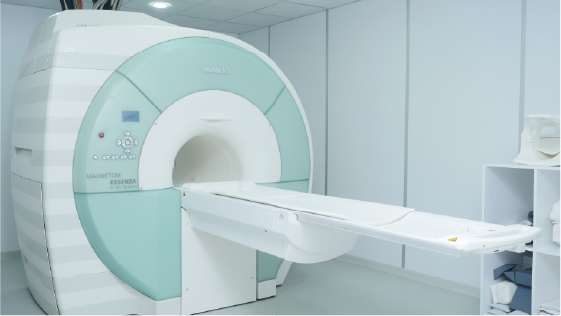
In our hospital angiography department, bronchoscopy department, sleep laboratory, physiotherapy and rehabilitation department, endoscopy department – colonoscopy, audiometer (hearing screening – respiratory function), radiology (Heel Spur E.S.W.T – Stone Crushing E.S.W.L.), intensive care units general intensive care, intensive care unit for Neonates Intensive Care Unit cardiovascular surgery.

24/7 Service / URGENT CASE
We offer 24/7 service with experienced doctors and medical staff.
We perform all types of surgeries in a safe and sterile environment in our operating rooms are equipped with modern and state-of-the-art equipment.

17 000 m² Enclosed area
All our patients receive treatment health services, medical diagnosis according to international standards in a safe environment. The hospital is located in the city centre with an enclosed area of approximately 17 000 m². We have a helipad and a capacity of over 150 beds.
- Last update; 5 December 2025
- by Optimed Hospital